Curcumin, the active compound found in turmeric, has gained attention for its potential role in supporting skin health and recovery. Interest in curcumin for wound healing continues to grow as researchers explore how curcumin’s anti-inflammatory and antioxidant properties may help support the body’s natural healing process.
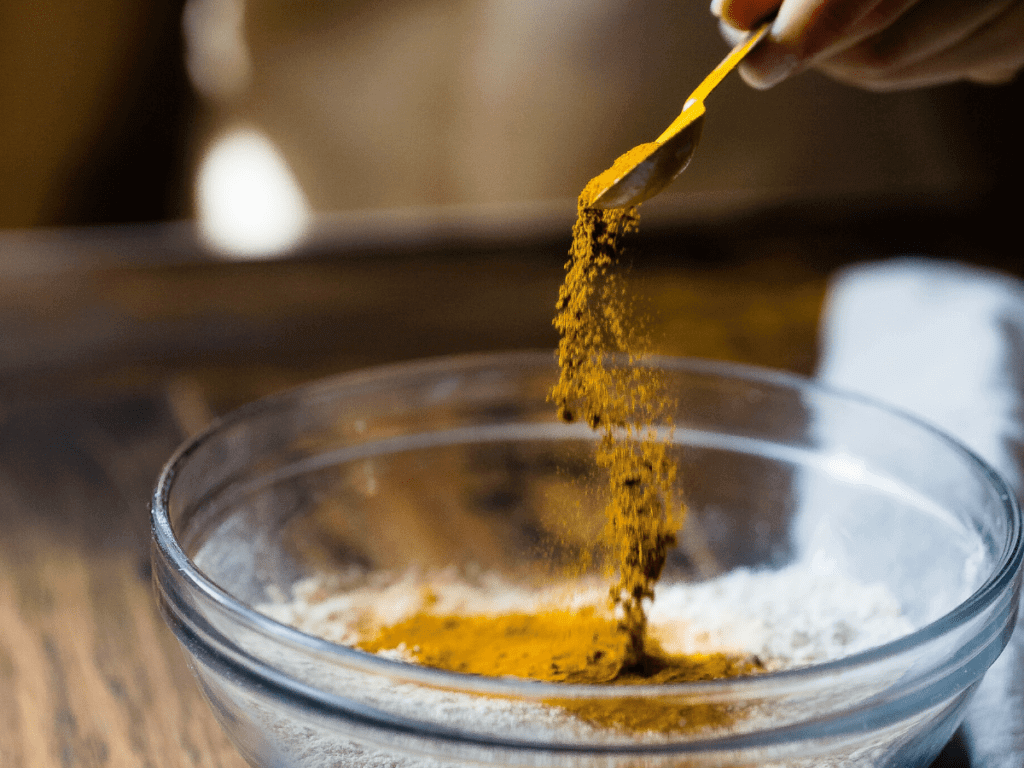
When you think of curcumin, your first thought may be of the pungent, orange spice used to give dishes like curry a flavorful kick.
But curcumin (which comes from the same plant as the cumin in your kitchen cabinet) is more than just a popular cooking spice. In addition to its distinct flavor, research shows that curcumin has numerous health benefits that aid in wound healing.
If you are curious about using turmeric for wound healing, this guide explains how curcumin works, what the research says, and how it may fit into a broader wellness and wound care routine.
What is Curcumin?
Curcumin is the primary bioactive compound found in turmeric, a golden-yellow spice derived from the root of the Curcuma longa plant. Turmeric has been used in traditional medicine for centuries, especially in Ayurvedic and Eastern medicine practices.

Using curcumin for wound healing has become a growing area of interest is because curcumin appears to influence several parts of the healing process, including inflammation, oxidative stress, and tissue repair.
While turmeric contains many beneficial compounds, curcumin is considered the main active ingredient responsible for most of turmeric’s researched health effects.
How Curcumin Supports Wound Healing
Research suggests that curcumin may help support wound healing in several ways.
One of the most important effects involves inflammation. In the inflammatory phase of wound healing, cytokines, white blood cells, and other immune cells are rushed to the injury site.
Excessive inflammation can slow healing and increase tissue damage, and curcumin has been studied for its ability to help regulate inflammatory responses in the body. Curcumin helps to keep pro-inflammatory cells under control and reduce markers of inflammation. As a result, it can accelerate wound healing by shortening the length of this inflammatory phase.

Curcumin also has antioxidant properties, which may help reduce oxidative stress around damaged tissue. Oxidative stress can interfere with normal healing and contribute to delayed wound repair.
Curcumin’s antioxidant properties help to keep cells healthy and reduce free radicals that can interfere with the healing process. In addition, one study found that curcumin also stimulates growth factors directly involved with wound healing.
Recent studies have found that using turmeric for wound healing may also support:
- Collagen production
- Fibroblast activity
- Granulation tissue formation
- New blood vessel development
- Re-epithelialization (new skin formation)
Because wound healing involves multiple stages, researchers continue exploring how curcumin may influence each phase of recovery.
What the Research Says About Curcumin for Wound Healing
Modern research on curcumin wound healing continues to expand.
A large review published in Life Sciences found that curcumin appears to support several stages of wound repair through its anti-inflammatory and antioxidant effects.
Another peer-reviewed article noted that curcumin-based formulations may help improve wound closure, collagen deposition, and tissue remodeling.
Research also suggests that turmeric’s antimicrobial activity can help support a cleaner wound healing environment.
Curcumin Benefits Beyond Wound Healing
Many people exploring curcumin wound healing are also interested in the broader health benefits of turmeric.
Research has shown that curcumin may help support a healthy inflammatory response and antioxidant activity throughout the body. Several systematic reviews and meta-analyses have found that curcumin supplementation can reduce markers of inflammation while improving antioxidant status in adults.
Curcumin has also been studied for its role in supporting joint health. Multiple reviews of clinical trials have found that turmeric and curcumin supplements may help improve pain and physical function in individuals with osteoarthritis.
Athletes and active adults may also use curcumin to support recovery. Research suggests curcumin supplementation may help reduce exercise-induced muscle soreness and support post-exercise recovery by modulating inflammation and oxidative stress.
Because chronic inflammation can affect many aspects of health, turmeric for wound healing is often viewed as one component of a broader wellness strategy that supports overall recovery, mobility, and healthy aging.
Why Absorption Matters
One challenge with curcumin is bioavailability, which refers to how much of a nutrient the body can absorb and use.
Because of this, many supplements combine turmeric with ingredients that may improve absorption. Some formulations use black pepper extract (piperine) or other compounds that help increase its availability in the bloodstream.
When considering turmeric supplements for wound healing, choosing a high-quality supplement and taking it consistently can help maximize potential benefits.
Important Considerations
Like most herbs, curcumin may cause side effects if consumed in large amounts. It is contraindicated for people with a clotting disorder, gallbladder disease, and some other medical conditions.
Possible side effects of large doses of curcumin include headaches, nausea, and indigestion (acid reflux, diarrhea).
While research surrounding curcumin for wound healing is promising, it should not replace proper medical wound care.
Chronic wounds, infected wounds, and serious injuries still require professional evaluation and appropriate treatment. Curcumin is best viewed as a supportive wellness ingredient rather than a standalone wound treatment.
It is also important to talk with a healthcare provider before starting turmeric supplements, especially if you take blood thinners or other medications, since turmeric may interact with certain drugs.
Shop Curcumin Support at BODYARMOR Medical
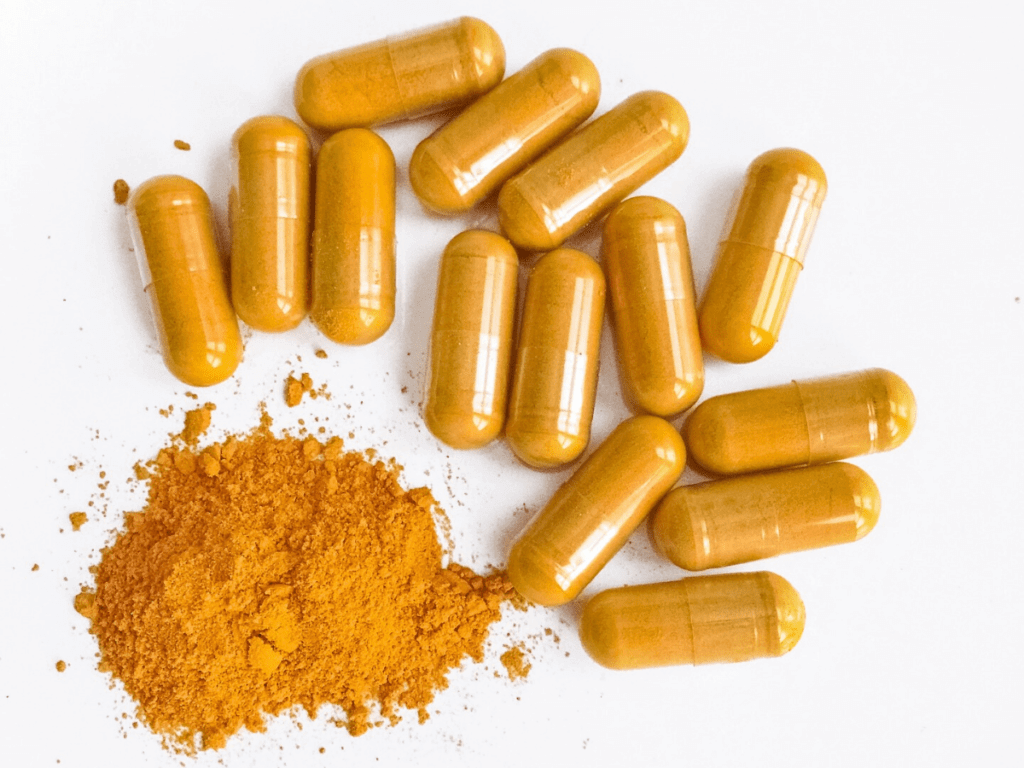
If you are looking to add curcumin for wound healing support into your wellness routine, BODYARMOR Medical offers a convenient option designed to support overall recovery and inflammatory balance.
This supplement combines turmeric with black pepper extract to boost absorption and ginger, another plant known for its antioxidant and anti-inflammatory properties. Together, these ingredients aim to help support overall wellness, recovery, and skin health.
Ginger also contains compounds that may complement curcumin’s effects, making the combination a popular choice for those looking for a more comprehensive approach to inflammation support.
The supplement is manufactured in a GMP-certified facility and designed for easy daily use.
Frequently Asked Questions
Curcumin and turmeric are becoming increasingly popular for wellness and recovery support, but many people still have questions about how they relate to healing and skin health.
Does curcumin help with wound healing?
Research suggests that curcumin wound healing support may come from its anti-inflammatory and antioxidant properties. Studies show it may help support collagen formation, tissue repair, and overall healing processes.
Is turmeric good for wound healing?
Many researchers studying turmeric for wound healing believe curcumin, turmeric’s active compound, may support several stages of skin repair. However, turmeric should not replace proper wound care or medical treatment.
How much curcumin is safe?
Some studies have shown that up to 8g per day is safe and effective for short-term use. But most studies use daily curcumin doses between 500-2000mg. Because individual needs and tolerance will vary, the best way to find out how much curcumin is safe for you is to check with your doctor.
What is the difference between turmeric and curcumin?
Turmeric is the plant and spice, while curcumin is one of the active compounds found inside turmeric. Curcumin is believed to provide many of turmeric’s researched health benefits.


 BodyArmor
  June 1, 2026
  6 Minutes