Foam wound dressings are absorbent, non-adherent pad-like dressings that draw moisture and debris away from the wound and protect from contaminants. These dressings are often used to protect intact skin from damage related to pressure and friction.
Foam dressings are an excellent choice for the management of moist wounds and are particularly effective at minimizing discomfort and pain by providing padding to the wound and preventing dressing related trauma.
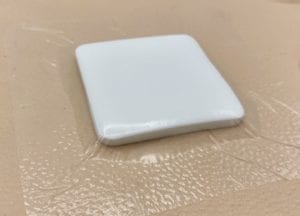
Choosing the right dressing can make a major difference in comfort, protection, and healing. Foam dressings for wounds are one of the most widely used options because they absorb drainage, protect the wound, and provide cushioning all in one simple solution.
If you are looking for a padded wound dressing that manages moisture while reducing pain and irritation, foam dressings are often a first-line choice for both home care and clinical use.
What Are Foam Dressings for Wounds?
Foam dressings are soft, absorbent dressings made from a sponge-like material with small open cells. These cells pull fluid and debris away from the wound while keeping the surface moist, which helps support healing.
They also act as a protective barrier. While they allow air and water vapor to pass through, they block outside contaminants like bacteria and fluids. This balance helps protect the wound without trapping excess moisture.
Foam dressings can also be used to protect intact skin from friction and to cushion and offload pressure over bony areas, reducing the risk of breakdown.
Unlike traditional gauze, foam dressings do not stick to the wound bed. This makes removal easier and less painful, especially for sensitive or chronic wounds.
How Foam Dressings Support Healing
Foam dressings for wounds are popular because they address multiple needs at once. They do more than just cover a wound, they actively support the healing process in several ways.
They absorb excess drainage, which helps prevent skin breakdown around the wound. At the same time, they maintain a moist environment, which is known to promote faster healing.
They also provide gentle pressure and cushioning, making them an excellent padded wound dressing for painful wounds or areas exposed to friction. This added protection helps reduce trauma during daily movement.
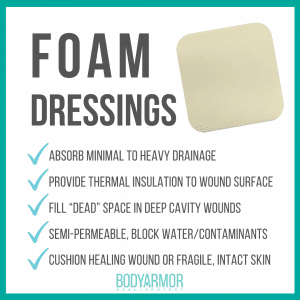
These advanced wound care dressings also reduce pain during wear and removal by avoiding adhesion to the wound bed.
In addition, foam dressings help regulate temperature at the wound site, which supports healthy tissue repair.
They protect against friction, pressure, and external contaminants. They also conform to the wound surface, which improves overall coverage.
Because of these benefits, foam dressings are often used as both a primary dressing and a protective layer for fragile skin.
Types of Foam Dressings (Standard, Bordered, and Silver)
Choosing the right type of foam dressing depends on both the wound and its surrounding skin.
A standard foam dressing is a non-adhesive pad that requires a secondary dressing to hold it in place. This option works well when flexibility is needed or when the skin around the wound is sensitive.
A bordered foam dressing includes an adhesive edge that secures the dressing without the need for additional tape or wraps. This makes it easier to apply and ideal for areas where maintaining placement is important.
Silver foam dressings take things a step further by adding antimicrobial protection. These dressings contain silver, which helps reduce bacteria in the wound. They are often used when there are signs of infection or a higher risk of bacterial growth.
Both bordered and non-bordered options may include silver, depending on the level of protection needed.
How to Apply Foam Dressings for Wounds
- Clean the wound using saline or an appropriate wound cleanser and gently pat the surrounding skin dry with gauze.
- Cut the foam dressing so it extends about one inch beyond the wound edges (if using non-bordered foam).
- Place the dressing directly over the wound.
- Secure with a secondary dressing if needed. Bordered foam dressings do not require this step.
- Change the dressing every 3 to 7 days, or sooner if it becomes saturated.
Common Foam Dressing Uses
There are many foam dressing uses, which makes them one of the most versatile options in wound care.
Foam dressings for wounds are commonly used for stage II-IV pressure ulcers, venous leg ulcers, and infected wounds. They also work well for traumatic injuries and wounds with small to heavy amounts of drainage.
They are especially helpful for painful wounds because they act as a padded wound dressing, reducing pressure and friction. Many providers also use foam dressings under compression therapy or to protect bony areas from breakdown.
Foam dressings are also appropriate for wounds with red granulation tissue or soft necrotic tissue (slough). They can be used in the treatment of hypergranulation tissue, excessive or raised granulation tissue extending above the skin’s surface.
In addition to open wounds, foam dressings can protect intact skin that is at risk of irritation, trauma, or pressure injury.
When to Choose Bordered Foam vs Standard Foam
Choosing between standard foam and bordered foam depends on ease of use and skin condition.
Bordered foam works best when you want a simple, all-in-one solution that stays in place without extra supplies. It is especially helpful for patients managing their own wound care at home.
Standard foam is often preferred when the surrounding skin is fragile or sensitive to adhesives. It also gives more flexibility in securing the dressing.
Both options provide the same core benefits, including absorption, protection, and cushioning.
When to Use Silver Foam Dressings
Silver foam dressings are ideal when infection is a concern.
If a wound shows signs like increased drainage, odor, redness, or delayed healing, a silver foam dressing may help reduce bacterial load.
These dressings provide broad-spectrum antibacterial action while still offering the same absorption and cushioning benefits as standard foam.
Important Considerations for Padded Wound Dressings
Foam dressings for wounds work best on wounds with some level of drainage. They are not recommended for dry, non-draining wounds, wounds with thick, dry non-viable tissue (eschar), third degree burns, or sinus tracts.
It is important to monitor how quickly the dressing becomes saturated. If drainage is heavy, more frequent changes may be needed.
Make sure the dressing fits properly and does not place pressure on surrounding skin. Proper sizing and placement help prevent irritation and improve healing outcomes.
If using standard foam dressings, a secondary dressing will be required to hold it in place.
Frequently Asked Questions
If you are considering foam dressings for wounds, you may have questions about how to use them and which type to choose. Here are some common questions to help guide your decision.
How often should foam dressings be changed?
Foam dressings are typically changed every 3 to 7 days, depending on how much drainage the wound produces.
What are the main foam dressing uses?
Foam dressings are used for pressure ulcers, deep cavity wounds, draining wounds, venous stasis ulcers, and to protect fragile, intact skin. They are especially useful when cushioning and absorption are needed.
Is bordered foam better than standard foam dressings?
Bordered foam is more convenient because it stays in place on its own. Standard foam is better for sensitive skin or when flexibility in placement is needed, as these can be cut to fit the wound bed.
Can foam dressings be used on infected wounds?
Yes, but silver foam dressings are usually the better option because they help reduce bacteria in the wound.
Shop Foam Dressings for Wounds at Body Armor Medical
If you are looking for reliable foam dressings for wounds, Body Armor Medical offers high-quality options designed for real-world use.
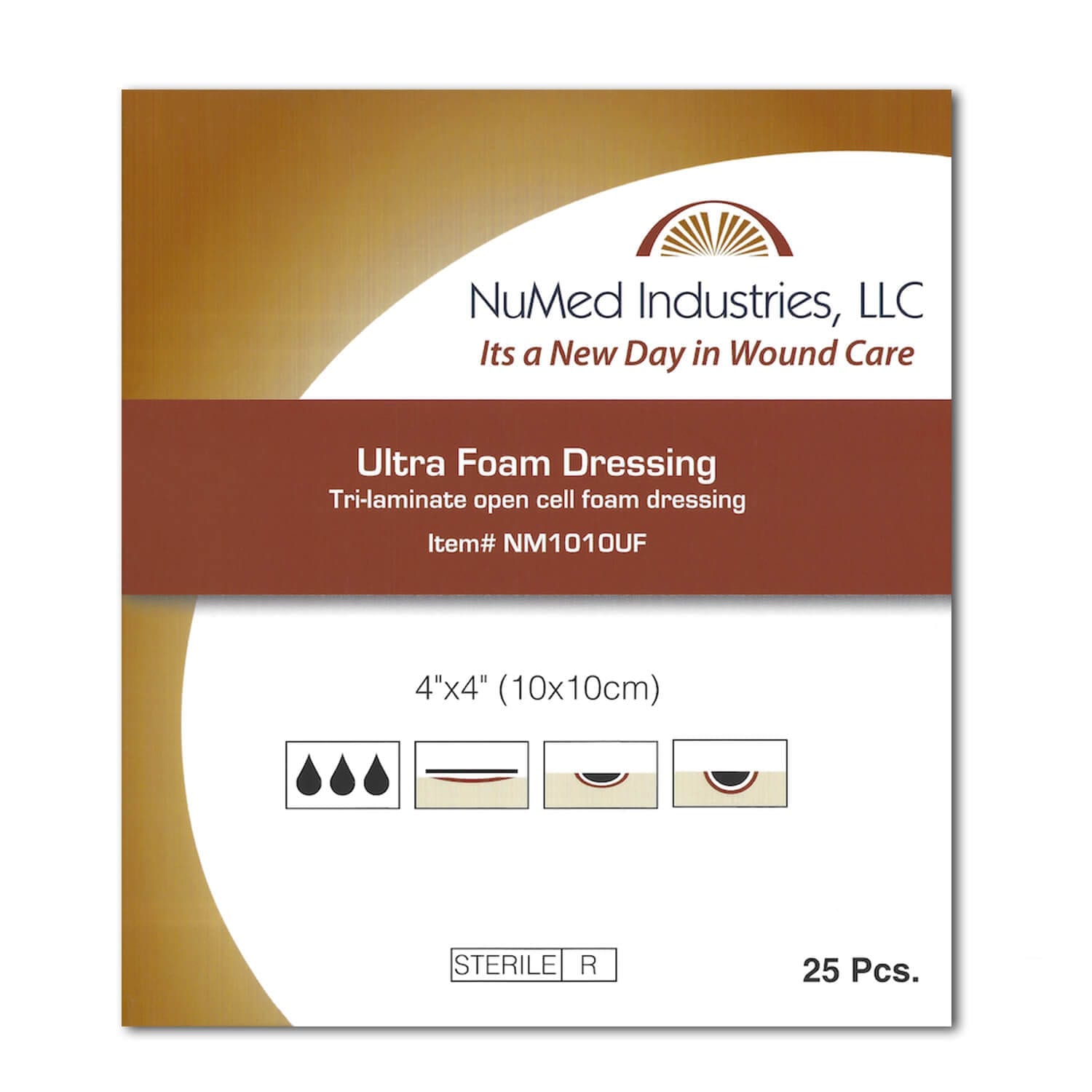
Our Ultra Foam Dressings are available in 2×2 and 4×4 sizes and provide excellent absorption and cushioning as a versatile padded wound dressing.
Our Ultra Bordered Foam Dressings, also available in 2×2 and 4×4, feature a gentle adhesive border that keeps the dressing securely in place without the need for additional tape.
For wounds that need added protection, our silver foam dressings come in multiple sizes and deliver broad-spectrum antibacterial action to help reduce bacterial load while still managing drainage effectively. We also offer silver bordered foam options for a convenient, all-in-one solution.
Whether you need a simple dressing or advanced antimicrobial support, our foam dressing options are built to protect, absorb, and support healing at every stage.
No Insurance, No Problem! Just Add to Cart and Enter Your Payment Information and Your Supplies Will Be On The Way! 🚚
🎖 Your Order Supports US Veterans Through Operation Second Chance 🇺🇸


 BodyArmor
  April 9, 2026
  8 Minutes