Movement and Healthy Aging: Why Staying Active May Be One of the Most Powerful Tools for Healing
BodyArmor
June 8, 2026
6 Minutes
One of the most powerful drivers of recovery is something simple you can start today: movement. Research consistently shows that movement and healthy aging go hand in hand. Regular physical activity helps maintain muscle mass, circulation, mobility, balance, and overall function. It also supports many of the same systems the body relies on during healing and recovery.
The good news? You don’t need to run marathons or spend hours in the gym. Small, consistent amounts of movement can have a meaningful impact on long-term health and resilience.
Why Movement Matters More Than We Realize
The human body is designed to adapt.
When we challenge our muscles, joints, heart, lungs, and nervous system through regular activity, the body receives a clear message: stay strong, stay capable, and keep functioning.
The opposite is also true.
Periods of inactivity can lead to rapid declines in muscle strength, cardiovascular fitness, mobility, and balance. Research has shown that older adults can lose measurable muscle mass and strength after surprisingly short periods of reduced activity.
This is one reason movement and healthy aging have become such important topics in longevity research.
The body responds to what we repeatedly ask it to do. Regular movement encourages adaptation, while prolonged inactivity encourages decline.
The Connection Between Movement and Healing
Healing is an energy-intensive process.
Whether recovering from surgery, managing a chronic wound, healing after an injury, or simply maintaining healthy tissue as you age, the body requires adequate blood flow, oxygen delivery, nutrient transport, and metabolic function.
Regular movement helps support these systems.
Physical activity promotes circulation, which helps deliver oxygen and nutrients to tissues throughout the body. Exercise also helps maintain muscle mass, which becomes increasingly important as we age.
For individuals recovering from wounds or injuries, movement can often play an important role in preserving strength and preventing the deconditioning that commonly occurs during periods of illness or recovery.
Of course, exercise recommendations should always be tailored to individual medical conditions and healthcare provider guidance.
Exercise and Longevity: What the Research Shows
One of the strongest arguments for staying active comes from longevity research.
Large population studies consistently show that physically active individuals tend to live longer and experience lower rates of chronic disease than their sedentary peers.
A study published in JAMA Network Open found that even modest increases in daily step counts were associated with lower mortality rates, particularly among previously inactive adults.
Other research has demonstrated that regular physical activity supports cardiovascular health, metabolic function, cognitive performance, balance and coordination, emotional well-being, and more.
These findings reinforce the strong relationship between exercise and longevity.
Perhaps most importantly, benefits are often seen long before someone becomes highly fit. Small increases in activity can still provide meaningful health improvements.
Why Muscle Matters as We Age
One of the biggest challenges associated with lack of movement and aging is sarcopenia, the gradual loss of muscle mass and strength.
Starting around age 30, adults naturally begin losing muscle tissue. This process tends to accelerate later in life, particularly in individuals who become less active.
Muscle does much more than help us move.
Healthy muscle supports balance, protects joints, improves blood sugar regulation, helps maintain metabolism, and contributes to overall independence.
This is why movement and healthy aging are so closely connected. Maintaining muscle helps preserve function, which allows people to continue doing the activities they enjoy.
For many adults, healthy aging is not simply about adding years to life, it’s about maintaining quality of life throughout those years.
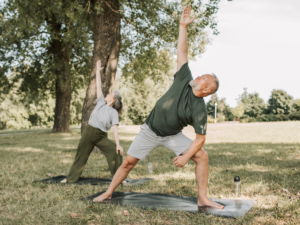
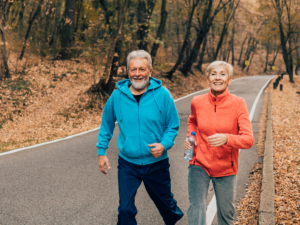
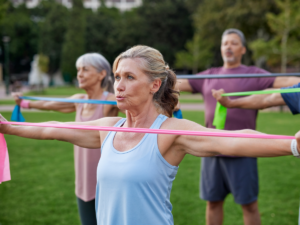
Simple Ways to Stay Active as You Age
One of the biggest misconceptions about healthy aging is that it requires intense exercise programs.
In reality, consistency matters far more than perfection.
Some of the most effective and accessible forms of movement include:
Walking
Walking remains one of the most accessible forms of exercise. Even short daily walks can help improve circulation, cardiovascular health, and mobility.
Strength Training
Resistance bands, bodyweight exercises, and light weights can help preserve muscle mass and strength.
Balance Exercises
Activities such as Tai Chi and simple balance drills can help reduce fall risk and improve coordination.
Range of Motion Activities
Gentle stretching and mobility exercises help maintain joint flexibility and comfort.
Everyday Movement
Taking stairs, gardening, carrying groceries, parking farther away, and staying physically engaged throughout the day all contribute to overall activity levels.
The best exercise program is often the one that someone can realistically maintain long term.
Movement Supports Functional Independence
One of the most overlooked benefits of exercise is its effect on independence.
As people age, maintaining the ability to perform everyday tasks becomes increasingly important.
Getting up from a chair, carrying laundry, climbing stairs, shopping, cooking, and enjoying hobbies all require strength, mobility, and balance.
Regular activity helps preserve these abilities.
In many ways, movement and healthy aging are really about maintaining freedom. The more capable the body remains, the more options people have to stay engaged with life.
Movement and Healthy Aging, Healing, Recovery, and Long-Term Resilience
There is no single miracle intervention that guarantees healthy aging.
Instead, resilience is often built through small habits repeated consistently over time.
Movement is one of those habits.
Regular physical activity supports circulation, muscle preservation, mobility, metabolic health, and overall recovery capacity. It helps the body continue adapting to the challenges of daily life.
Whether your goal is wound healing, injury recovery, healthy aging, or simply maintaining independence, movement remains one of the most valuable investments you can make in your future health.
Watch: Why Movement and Healthy Aging Matters More Than You Think
Want a deeper dive into the science behind movement, healing, and longevity?
Watch Dr. Jay explain why staying active may be one of the most powerful things you can do for recovery, resilience, and healthy aging.
Frequently Asked Questions
Movement becomes increasingly important as we age, but many people aren’t sure how much activity they actually need. Here are answers to some of the most common questions.
What is the connection between movement and healthy aging?
Regular movement helps preserve muscle mass, balance, mobility, cardiovascular health, and independence. These factors play a major role in maintaining function and quality of life as we age.
Does exercise help with wound healing?
Appropriate physical activity may support circulation, muscle preservation, and overall health, all of which contribute to the body’s healing processes. Always follow your healthcare provider’s recommendations regarding activity during recovery.
How much exercise do older adults need?
The CDC recommends that most adults aim for at least 150 minutes of moderate-intensity activity each week, along with muscle-strengthening activities on two or more days. Individual needs may vary based on health status and mobility.
What is the best kind of movement for healthy aging?
There is no single best exercise. Walking, strength training, balance exercises, flexibility work, and regular daily movement all contribute to healthy aging and long-term function.
Sacral Pressure Ulcer Prevention: How to Protect the Skin and Reduce Risk
September 22, 2026
9 Minutes
Pressure ulcers (bed sores) are among the most common wounds and can be painful, difficult to heal, and lead to serious complications. Here are are 5 simple things you can do to prevent sacral pressure ulcers.
Nervous System Healing: Why Your Body Can’t Recover Until It Feels Safe
July 29, 2026
6 Minutes
Nervous system healing plays a bigger role in recovery than most people realize. Every moment, your body is making an important decision: should it stay alert for danger, or is it finally safe to slow down, recover, and heal? This automatic balancing act is controlled by your autonomic nervous system and influences everything from inflammation […]
Forest Bathing Benefits: How Nature Supports Healing, Immunity, and Healthy Aging
June 22, 2026
5 Minutes
Most people think of nature as simply relaxing or enjoyable. But researchers are discovering that spending time around trees may do much more than improve your mood. The forest bathing benefits being studied today include effects on thing like stress levels, immune function, blood pressure, and overall well-being. Scientists believe part of these benefits may […]


 BodyArmor
  June 8, 2026
  6 Minutes