The connection between hyperglycemia and wound healing is especially important for people living with diabetes. When blood glucose remains elevated, it can interfere with circulation, immune function, inflammation, and the cellular processes the body relies on to repair damaged tissue. Over time, these changes can make wounds slower to heal and more likely to become chronic.
For people with diabetes, even a small cut, blister, or area of skin breakdown deserves attention. Understanding the relationship between diabetes and wound healing, maintaining appropriate blood sugar management, checking the skin regularly, and getting prompt treatment for wounds can all help reduce the risk of complications.
What Is Hyperglycemia?
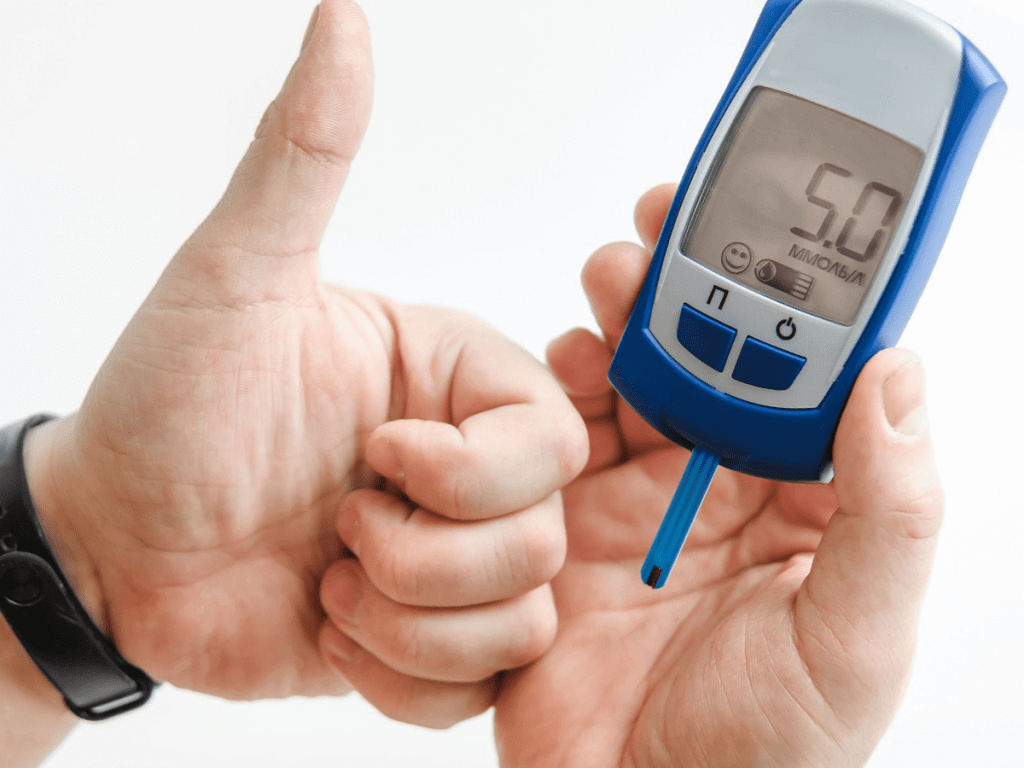
Hyperglycemia means there is too much glucose, or sugar, circulating in the bloodstream.
In people with diabetes, this can happen when the body doesn’t produce enough insulin or cannot use insulin effectively. Illness, stress, certain medications, changes in diet, and other factors may also cause blood glucose levels to rise.
One way healthcare providers evaluate longer-term blood sugar control is with a hemoglobin A1C test. Unlike a single blood glucose reading, A1C provides an estimate of average blood glucose over approximately the previous two to three months.
According to the ADA, a result below 5.7% is considered normal, while the goal for adults with diabetes is to be below 7%. But individual blood glucose and A1C targets vary. Your healthcare provider can help determine the appropriate range based on your age, medications, medical conditions, and other individual factors.
How Does Diabetes Affect Wound Healing?
Diabetes is a complex health challenge that affects more than 34 million people in the United States. So, how does diabetes affect wound healing?
Normal wound healing is a highly coordinated process. After an injury, the body must control bleeding, activate an appropriate inflammatory response, remove damaged tissue and bacteria, form new blood vessels, produce collagen, rebuild skin, and eventually remodel the repaired tissue.
Diabetes can interfere with several of these steps at the same time.
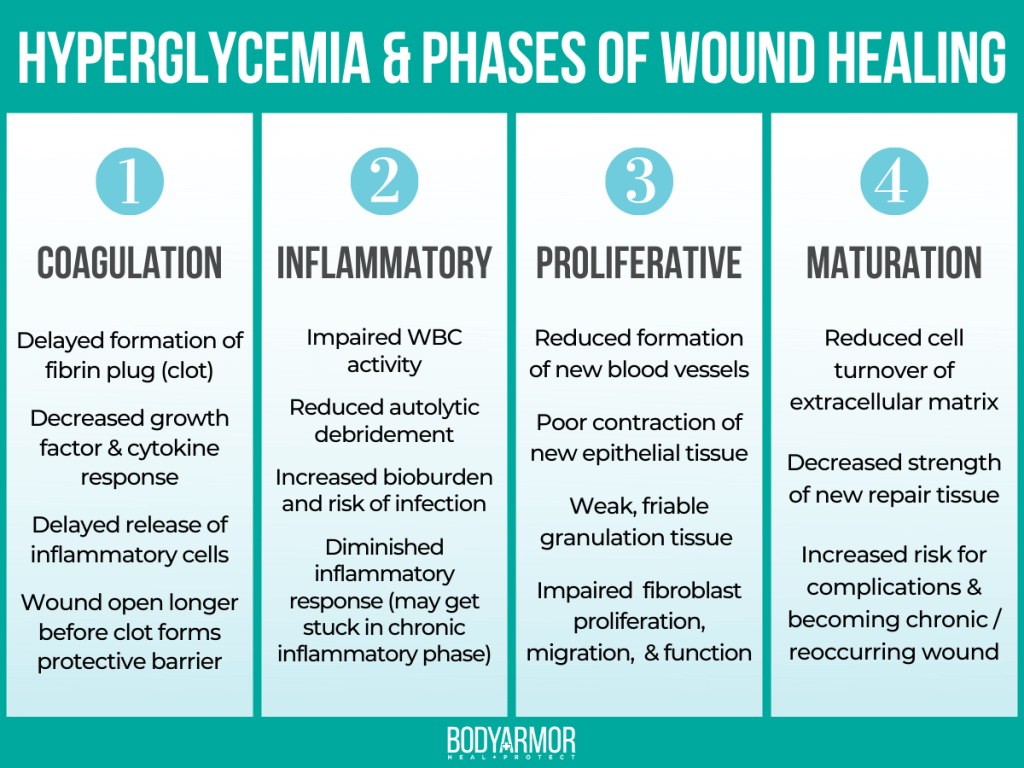
Chronically elevated glucose is associated with impaired blood vessel function, abnormal inflammatory responses, oxidative stress, reduced formation of new blood vessels, and dysfunction in cells such as fibroblasts and keratinocytes that are necessary for rebuilding tissue.
This helps explain why diabetic wounds can remain stuck in the healing process rather than progressing normally toward closure.
Hyperglycemia and Wound Healing: Why Blood Sugar Matters
The relationship between hyperglycemia and wound healing involves much more than glucose itself.
Persistently high blood sugar creates an environment that can alter blood vessels, immune cells, nerves, and the cells responsible for rebuilding damaged tissue.
Research has found that hyperglycemia can interfere with endothelial cells, which line blood vessels, as well as fibroblasts and keratinocytes. Fibroblasts help produce collagen and extracellular matrix, while keratinocytes help restore the protective outer layer of skin.
When these cells don’t function normally, tissue repair can become slower and less efficient.
This is one reason blood glucose management is an important part of caring for someone with diabetes who also has a wound.
Research shows that careful glycemic control improves the rate of wound healing and reduces complications.
A 2013 study found that patients with elevated A1C or high blood glucose levels around the time of surgery were at over 3 times greater risk of experiencing serious wound complications.
High Blood Sugar Can Affect Circulation
A healing wound needs a reliable supply of oxygen and nutrients.
Over time, diabetes can damage blood vessels and contribute to vascular disease. Reduced circulation makes it harder for oxygen, nutrients, immune cells, and other components needed for repair to reach damaged tissue.
This can be particularly problematic in the feet and lower legs, where circulation may already be compromised.
Poor blood flow is one of several reasons diabetic wounds, particularly diabetic foot ulcers, can become difficult to heal.
If a wound is accompanied by a cold or pale foot, significant color changes, increasing pain, or other signs of poor circulation, medical evaluation is important.
Hyperglycemia Can Disrupt Inflammation
Inflammation is an essential part of normal healing.
Immediately after an injury, inflammatory cells arrive at the wound to help remove bacteria and damaged tissue. Once that work is complete, the body should gradually transition from inflammation into rebuilding and repair.
With diabetes, that transition may not happen as efficiently.
Research on hyperglycemia and wound healing has found that diabetic wounds can remain in a prolonged inflammatory state. Macrophages, immune cells with important roles throughout wound healing, may have difficulty transitioning from a primarily inflammatory role toward one that supports tissue repair.
Instead of inflammation resolving at the appropriate time, the wound can remain stuck in an inflammatory environment that interferes with rebuilding.
High Blood Sugar Can Weaken Immune Defenses
In addition to disrupting the phases of wound healing, hyperglycemia also weakens the immune system’s ability to manage inflammation and fight off infections.
Elevated blood glucose can impair the function of immune cells involved in identifying and responding to microorganisms. At the same time, reduced circulation may make it harder for those immune cells to reach injured tissue. Studies have shown that hyperglycemia impairs the activity of lymphocytes and other important immune cells.
Together, these changes can make diabetic wounds more vulnerable to infection.
Signs that may indicate a wound infection include increasing redness or warmth, swelling, worsening pain, pus or unusual drainage, foul odor, fever, or redness spreading away from the wound.
People with diabetes should contact a healthcare professional promptly if a wound develops these changes.
Diabetes Can Damage the Nerves That Protect Your Skin
When asking how diabetes affects wound healing, it’s also important to consider what happens before a wound is discovered.
Diabetic peripheral neuropathy can cause numbness, tingling, burning, pain, or reduced sensation, particularly in the feet.
Loss of sensation creates a dangerous situation: an injury can occur without the person realizing it.
A blister from a shoe, small cut, callus, or pressure point may continue to experience repeated trauma simply because it doesn’t hurt enough to trigger the normal response to protect the area.
By the time the injury is noticed, significant tissue damage may already have occurred.
Neuropathy doesn’t simply affect healing after a wound develops. It can increase the likelihood that a wound develops or worsens in the first place.
Hyperglycemia Can Interfere With New Tissue Formation
Closing a wound requires coordinated activity from several types of cells.
Fibroblasts produce collagen and other components of the extracellular matrix that provide structure for new tissue. Keratinocytes migrate across the wound to rebuild the skin barrier. Endothelial cells contribute to angiogenesis, or the formation of new blood vessels.
Research shows that high-glucose conditions can impair the migration, proliferation, and function of these cells.
This cellular dysfunction is another important part of the relationship between hyperglycemia and wound healing. Even when the body has adequate nutrients available, those nutrients still need to be delivered and used effectively by cells at the wound site.
Why Diabetic Wounds Can Become Chronic
A chronic wound is one that fails to progress through the normal stages of healing in an expected way.
With diabetes, several barriers may occur simultaneously: reduced circulation, neuropathy, prolonged inflammation, impaired immune function, oxidative stress, infection, repeated pressure, and altered cellular repair.
That’s why treating diabetic wounds often requires more than simply covering the wound with a dressing.
Depending on the wound, a comprehensive treatment plan may include blood glucose management, pressure relief or offloading, infection management, removal of nonviable tissue, circulation assessment, appropriate nutrition, moisture management, and selection of a dressing based on the wound’s characteristics.
Addressing the underlying barriers to healing is just as important as caring for the wound itself.
Steps to Support Wound Healing With Diabetes
Understanding hyperglycemia and wound healing is useful, but prevention and daily care are just as important.
1. Follow Your Diabetes Management Plan
Take medications as prescribed and follow the blood glucose monitoring, nutrition, and activity recommendations provided by your healthcare team. If your glucose readings are consistently outside your target range, contact your healthcare provider rather than changing medications on your own.
2. Check Your Skin Every Day
Look closely at your feet, heels, between the toes, and other areas vulnerable to pressure or injury. If reaching or seeing your feet is difficult, use a mirror or ask someone to help.
Watch for blisters, cuts, redness, swelling, calluses, drainage, cracks, or other changes.
3. Don’t Ignore Small Wounds
A wound that appears minor can become more serious when neuropathy, poor circulation, or elevated blood glucose is present.
Contact your healthcare provider if you develop a wound that isn’t improving, shows signs of infection, or causes concern.
4. Reduce Pressure on the Wound
Repeated pressure can interfere with healing, particularly with foot ulcers. Your healthcare provider may recommend specialized footwear, an offloading device, positioning changes, or another method of keeping pressure away from the wound.
5. Prioritize Protein and Balanced Nutrition
Healing tissue requires protein, calories, vitamins, minerals, and adequate hydration. Poor nutritional intake can create another barrier to healing on top of the effects of diabetes.
If you have a chronic wound, poor appetite, unintended weight loss, kidney disease, or other dietary restrictions, ask your healthcare provider or registered dietitian about your individual nutritional needs.
Choosing Dressings for Diabetic Wounds
There isn’t one single dressing that’s appropriate for every diabetic wound.
Dressing selection depends on factors such as wound depth, drainage level, surrounding skin condition, infection risk, location, and whether dead tissue is present.
Foam dressings can help manage moderate drainage and provide cushioning. Alginate dressings may be appropriate for wounds with heavier drainage, while hydrogel dressings can provide moisture to selected dry wounds. Collagen dressings may also be considered for certain chronic wounds when recommended as part of a wound care plan.
BODYARMOR Medical carries a range of professional wound care supplies, including foam, alginate, hydrogel, collagen, and other advanced wound dressings designed for different wound characteristics.
Shop BODYARMOR Medical Wound Care Dressings →
If you have diabetes and an open wound, work with a healthcare professional to determine which type of dressing and treatment plan are appropriate for you.
Managing Hyperglycemia Is One Part of Better Wound Care
The relationship between hyperglycemia and wound healing shows just how interconnected the body’s systems are.
Blood glucose affects much more than a number on a glucose meter. Persistent hyperglycemia can influence circulation, inflammation, immune defenses, nerve function, and the cells responsible for rebuilding damaged tissue.
At the same time, blood sugar management isn’t the only factor involved in healing. Pressure relief, nutrition, circulation, infection control, appropriate wound care, and underlying medical conditions all matter.
Understanding diabetes and wound healing can help patients and caregivers recognize problems earlier and work with their healthcare team to create the best possible conditions for recovery.
Frequently Asked Questions About Hyperglycemia and Wound Healing
High blood sugar can influence healing in several different ways, which is why wound care can become more complicated for people with diabetes. These common questions explain some of the most important connections between blood glucose, diabetes, and tissue repair.
How does diabetes affect wound healing?
If you’re wondering how does diabetes affect wound healing, there isn’t just one mechanism. Diabetes can affect circulation, immune function, inflammation, nerve sensation, new blood vessel formation, and the activity of cells needed to rebuild tissue, which can make wounds slower or more difficult to heal.
Does high blood sugar make wounds heal more slowly?
Persistent hyperglycemia is associated with impaired wound healing. High glucose can contribute to vascular dysfunction, prolonged inflammation, impaired immune responses, and changes in fibroblasts, keratinocytes, and endothelial cells involved in tissue repair.
Why are diabetic wounds more likely to become infected?
Diabetes can impair immune-cell function while poor circulation can make it harder for immune cells and oxygen to reach damaged tissue. Neuropathy may also allow an injury to go unnoticed and worsen before treatment begins.
What blood sugar level is best for wound healing?
There isn’t one blood glucose or A1C target that’s appropriate for every person or every wound. Blood glucose goals should be individualized by a healthcare professional based on factors such as age, medications, other health conditions, and risk of hypoglycemia.
BODYARMOR Medical Supply Co. Was Founded By Physicians To Make Professional Wound Care Dressings Accessible and Affordable.
Click Here To Explore Our Wound Care Dressings!


 BodyArmor
  October 5, 2020
  11 Minutes