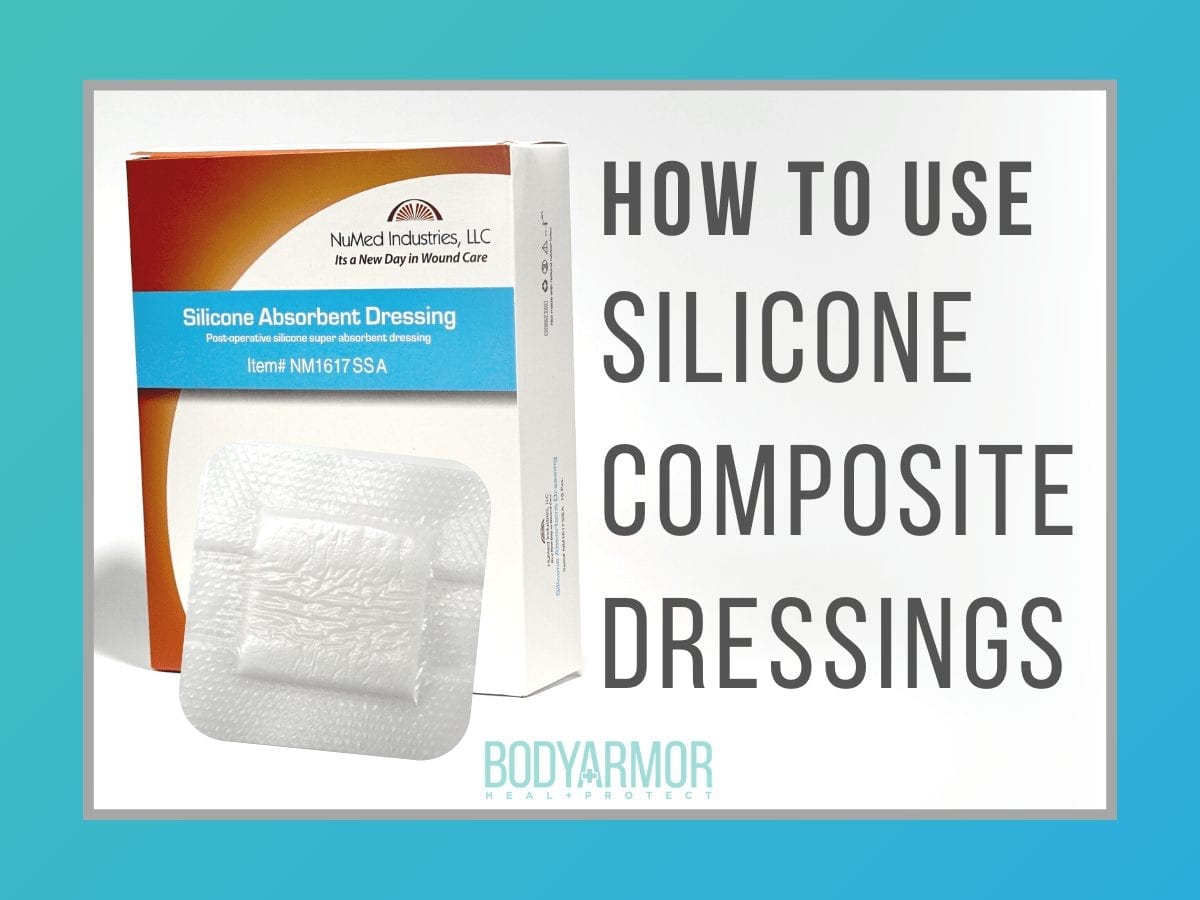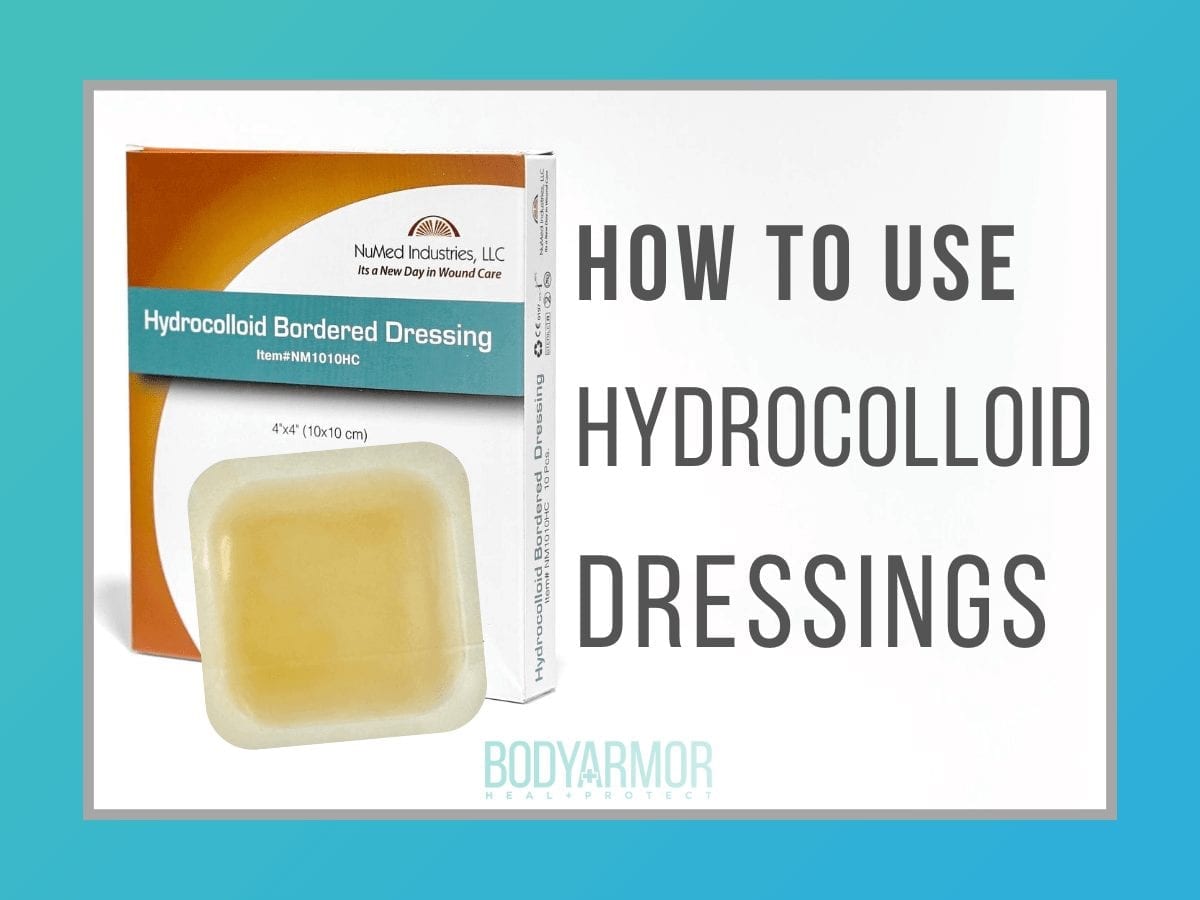
Hydrocolloid dressings support natural healing by protecting wounds from trauma and contaminants while maintaining a moist healing environment. A hydrocolloid dressing can also be used to reinforce intact skin or newly healed wound sites.
If you need a simple, low-maintenance option that protects a wound while supporting healing, a hydrocolloid dressing is one of the most effective choices. These dressings seal the wound, absorb light to moderate drainage, and create a protective barrier that allows the skin to repair itself.
Whether you are wondering what a hydrocolloid dressing is used for, if you can put hydrocolloid on an open wound, or which option is best for blisters, this guide will walk you through everything you need to know.
What is a Hydrocolloid Dressing?
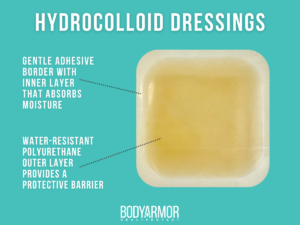
A hydrocolloid dressing is a soft, flexible dressing made from gel-forming materials that react with wound fluid. When applied, the inner layer absorbs moisture and forms a gel, while the outer layer creates a waterproof, protective barrier.
This combination allows the dressing to act like a second skin. It keeps harmful contaminants out while maintaining the right conditions inside the wound for healing.
The types of hydrocolloid wound dressing can vary in size, but most share the same core design. They include an inner adhesive hydrocolloid gel-forming layer and a water-resistant outer film that protects against friction and moisture.
How a Hydrocolloid Dressing Works
A hydrocolloid dressing works by sealing the wound and managing moisture at the same time.
As the wound produces fluid, the dressing absorbs it and forms a gel. This gel stays in place over the wound, protecting it and supporting the natural healing process.
Because the dressing is occlusive, it also helps maintain warmth at the wound site. This can improve blood flow and support tissue repair.
Hydrocolloid dressings are especially helpful for wounds that need protection from friction, pressure, or contamination. Their ability to stay in place for several days also reduces the need for frequent dressing changes.
Hydrocolloid dressings are commonly used for wounds that benefit from a sealed, moist environment and minimal disturbance during healing.
What Is a Hydrocolloid Dressing Used For?
Understanding what a hydrocolloid dressing is used for helps you choose the right situations to apply it.
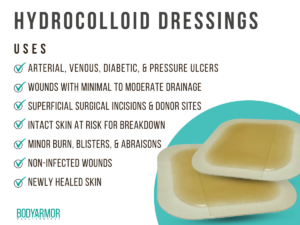
These dressings work best for wounds with minimal to moderate drainage. They are commonly used for pressure ulcers, minor burns, abrasions, and shallow venous, arterial, or diabetic ulcers.
A hydrocolloid dressing blister application is one of the most popular uses. These dressings protect blisters from friction while helping the skin underneath heal faster.
Hydrocolloid dressings are also used for surgical incisions, donor sites, and areas of skin that are at risk of breakdown. Because they act as a protective barrier, they are helpful in areas exposed to moisture or friction.
Can You Put Hydrocolloid on an Open Wound?
A common question is whether you can put hydrocolloid on an open wound, and the answer depends on the wound type.
Yes, you can put a hydrocolloid dressing on an open wound as long as the wound is shallow, clean, and not heavily draining or infected. These dressings are designed to protect and support healing in partial-thickness wounds.
However, they are not suitable for deep wounds, heavily draining wounds, or wounds with signs of infection. In those cases, a more absorbent or antimicrobial dressing may be a better choice.
Types of Hydrocolloid Wound Dressings
There are different types of hydrocolloid wound dressing, each designed for specific needs.
Standard hydrocolloid dressings are flat and flexible, making them ideal for general wound coverage. Bordered hydrocolloid dressings include an adhesive edge that helps keep the dressing securely in place.
Some hydrocolloid dressings are thinner and more flexible for areas like joints, while others are thicker for added protection and cushioning.
Choosing between the types of hydrocolloid wound dressing depends on the wound location, size, and level of protection needed.
Why Hydrocolloid Dressings Are So Effective
A hydrocolloid dressing offers several benefits that make it a go-to option in wound care.
It absorbs light to moderate drainage while maintaining a stable environment for healing. These dressings also provide thermal insulation while protecting the wound from outside contaminants, including bacteria and fluids.
They also reduce friction, which makes them especially useful for blisters and pressure-prone areas. Many people choose a hydrocolloid dressing blister solution because it stays in place and cushions the skin.
Another key benefit is that hydrocolloid dressings do not require a secondary dressing. This makes them easy to apply and manage, especially in home care settings.
Advantages of Hydrocolloid Dressings
- Hydrocolloid dressings absorb minimal to moderate amounts of drainage
- They promotes moist environment for natural healing (autolytic debridement)
- They are reduce risk of infection by preventing external fluid/bacteria contamination
- They may be used under compression
- They do not require secondary dressing to hold in place
- They are designed to have minimal pain during dressing removals
How to Apply a Hydrocolloid Dressing
- Clean the wound using saline or an appropriate wound cleanser and gently pat the surrounding skin dry with gauze.
- Choose a hydrocolloid dressing that is 1-2 inches larger than wound.
- Remove the backing and place the adhesive side of the clean dressing directly over the wound and surrounding skin, smoothing the edges to ensure a secure seal.
- Change every 3 days, depending on the amount of wound drainage. These dressings can be left in place for up to one week for clean wounds.
Before applying the dressing, we recommend applying Brava Skin Barrier Spray to the surrounding skin for best results.
When to Use a Hydrocolloid Dressing
A hydrocolloid dressing works best for wounds with minimal to moderate drainage. It is commonly used for pressure ulcers, minor burns, abrasions, and surgical wounds.
It is also widely used for blister care. A hydrocolloid dressing blister application helps protect the area while reducing pain and friction.
These dressings are also useful for protecting newly healed skin or areas at risk of irritation.
Research also shows the benefits of using hydrocolloid dressings in healing wounds related to incontinence-associated dermatitis (IAD) and dermatologic surgeries.
Considerations for Hydrocolloid Dressings
Hydrocolloid dressings are not suitable for all wounds. They should not be used on wounds with heavy drainage, deep tunneling, or exposed bone or tendon. They are also not recommended for infected wounds, 3rd degree burns, or fungal/herpetic lesions.
Because they create a sealed environment, it is important to monitor the wound for signs of infection. If redness, swelling, or increased drainage occurs, the dressing should be reassessed.
Frequently Asked Questions
If you are considering a hydrocolloid dressing, you may have questions about how to use it and when it is the right choice. Here are some common questions to help guide your decision.
What is a hydrocolloid dressing used for?
A hydrocolloid dressing is used for wounds with minimal to moderate drainage, including blisters, burns, pressure ulcers, and shallow open wounds.
Can you put hydrocolloid on an open wound?
Yes, you can put hydrocolloid on an open wound if it is clean, shallow, and not heavily draining or infected. You can also apply hydrocolloid dressings to areas of intact skin that are at risk for breakdown.
How long can a hydrocolloid dressing stay on?
Most hydrocolloid dressings can stay in place for 3 to 7 days, depending on the wound and amount of drainage.
Are hydrocolloid dressings good for blisters?
Yes, a hydrocolloid dressing blister application is one of the most common uses. It helps protect the area, reduce pain, and support faster healing.
Shop Hydrocolloid Dressings at Body Armor Medical
If you are looking for a dependable hydrocolloid dressing, Body Armor Medical offers high-quality options designed for both home and clinical use.
Our Hydrocolloid Dressings are available in 2×2 and 4×4 sizes, making them easy to match to different wound types. These dressings feature a flexible, water-resistant outer layer and a gentle adhesive border that keeps them securely in place.
They are ideal for a wide range of uses, including pressure injuries, minor wounds, and blisters. Their design allows them to stay in place for several days, reducing the need for frequent changes while maintaining protection.
These products offer a simple and effective solution for everyday wound care.
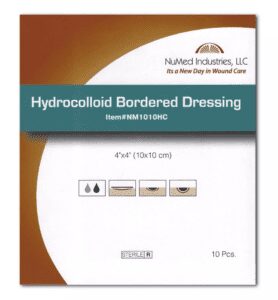
Our hydrocolloid dressings are the same dressings used in large medical centers to protect skin and wounds. Often referred to as the workhorse of wound care dressings, hydrocolloid dressings are extremely versatile and can be used alone or in combination with other dressings such as collagen particles. Our hydrocolloid dressings are value priced and often used in Home Healthcare and Small Nursing Facilities.

🎖 Your Order Supports US Veterans Through Operation Second Chance 🇺🇸
No Insurance, No Problem. Just Add to Cart and Enter Your Payment Information and Your Supplies Will Be On The Way! 🚚
You Order Supports US Veterans through Operation Second Chance 🇺🇸
US Physician Owned Small Business.


 BodyArmor
  April 27, 2026
  8 Minutes