Hydrogel dressings promote wound healing by donating moisture to the wound bed, ensuring a moist healing environment that is ideal for healing. These advanced wound care dressings are specially designed to reduce discomfort in painful wounds.
When a wound is dry, tight, or painful, adding moisture back into the wound can make a major difference in healing. A hydrogel dressing is designed to do exactly that by delivering hydration directly to the wound while creating a soothing, cooling environment.
If you are exploring hydrogel uses or trying to decide when this type of dressing makes sense, this guide will walk you through how it works, when to use it, and how to choose the right option.
What is a Hydrogel Dressing?
A hydrogel dressing is a water-based wound dressing made up of about 90% water in a gel structure. Unlike dressings that absorb large amounts of fluid, hydrogel dressings focus on adding moisture to dry or minimally draining wounds.
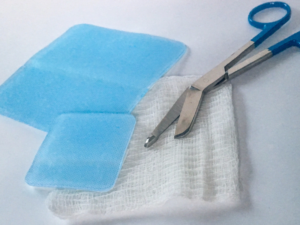
This makes them especially useful when a wound needs hydration to move forward in the healing process. The gel helps rehydrate tissue, soften dry areas, and create the ideal environment for new tissue to form.
Hydrogel dressings are also non-adherent, so they do not stick to the wound. This helps reduce pain during dressing changes and protects delicate, newly forming tissue.
How a Hydrogel Dressing Supports Healing
A hydrogel dressing works by balancing moisture at the wound surface. When a wound is too dry, healing slows down. Cells struggle to move, and dead tissue can build up.
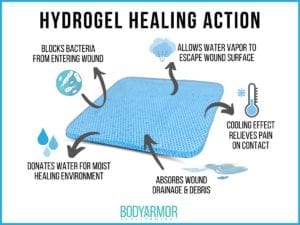
Hydrogel dressings donate moisture to the wound bed, which helps loosen and soften nonviable tissue. This supports the body’s natural process of clearing out dead tissue, known as autolytic debridement.
They also create a cooling effect, which can help relieve discomfort in burns, abrasions, and other painful wounds.
Why Choose a Hydrogel Dressing?
Hydrogel dressings solve a different problem than highly absorbent dressings. Instead of pulling fluid away, they focus on restoring moisture.
This makes them a strong choice for wounds that feel dry, tight, or painful. They also help soften eschar, hardened devitalized tissue, which allows the wound to progress toward healing.
Another major benefit is comfort. The cooling sensation provides immediate relief, especially for burns, radiation skin damage, or irritated skin.
Because they do not adhere to the wound bed, they help minimize trauma during dressing changes. This is especially important for sensitive or fragile skin.
Common Hydrogel Uses
There are many hydrogel uses, especially when a wound needs hydration rather than absorption.
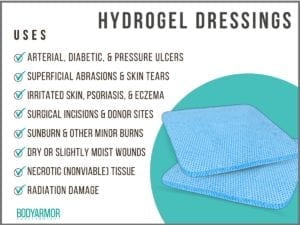
Hydrogel dressings are commonly used for dry wounds, wounds with minimal drainage, and wounds with necrotic or slough tissue that needs softening. This can include skin injuries such as diabetic ulcers and skin graft donor sites.
Hydrogel dressings are also helpful for burns, abrasions, skin tears, and superficial wounds.
In addition, hydrogel uses include managing radiation-damaged skin, pressure injuries in early stages, and surgical wounds that need moisture support.
Because of their soothing properties, hydrogel dressings are also used for comfort in painful wounds where reducing irritation is a priority.
Sheet vs. Gel (Tube) Hydrogel Dressings
Hydrogel dressings come in different forms, and choosing the right one depends on the wound type.
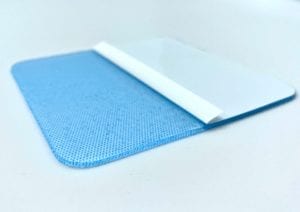
A hydrogel sheet is a flat dressing that covers the wound surface. It works well for wounds with a defined shape, such as burns, ulcers, or surgical sites. These sheets provide even moisture distribution and are easy to apply.
A hydrogel gel (from a tube) offers more flexibility. You can apply it directly into the wound, making it ideal for irregular or shallow wounds. It also allows for more precise control over how much moisture you add.
Some hydrogel gels are combined with additional ingredients like collagen, which adds another layer of support for tissue growth and healing.
Key Benefits of Hydrogel Dressings
Hydrogel dressings offer several benefits that make them a valuable part of wound care.
They hydrate dry wounds and help restore moisture balance. They support the removal of dead tissue by softening it over time. In addition, they reduce pain with a cooling, soothing effect. Hydrogel dressings also protect the wound without sticking to it, making removal easier.
These dressings are non-occlusive and allow airflow while still protecting the wound from outside contaminants, helping create a stable healing environment.
How to Apply a Hydrogel Dressing
- Clean the wound using saline or an appropriate wound cleanser and gently pat the surrounding skin dry with gauze.
- Apply the hydrogel dressing. Use a sheet to cover the wound (cut to appropriate size) or apply gel directly.
- Cover with a secondary dressing, such as foam or a bordered dressing, to keep it in place and prevent drying out.
- Change the dressing every 1 to 7 days, depending on the wound and moisture level.
When Should You Use a Hydrogel Dressing?
A hydrogel dressing works best for wounds that are dry or have very little drainage. It is especially helpful when tissue needs hydration to move forward in the healing process.
Hydrogels are also a good choice for wounds with necrotic tissue, burns, abrasions, and painful skin injuries where comfort matters.
However, hydrogel dressings are not recommended for wounds with moderate to heavy drainage, since they do not absorb large amounts of fluid.
Important Considerations for Hydrogel Dressings
Hydrogel dressings need to be covered with a secondary dressing to stay in place and prevent them from drying out.
It is also important to monitor the wound regularly. If drainage increases or signs of infection appear, a different type of dressing may be needed.
These dressings are not indicated for wounds with moderate to heavy drainage or severe (3rd degree) burns.
Frequently Asked Questions
If you are considering a hydrogel dressing, you may have questions about how to use it and when it is the right choice. Here are some common questions to help guide your decision.
How often should a hydrogel dressing be changed?
Hydrogel dressings are usually changed every 1 to 7 days, depending on how dry the wound is and how well the dressing stays hydrated.
What are the most common hydrogel uses?
Hydrogel uses include treating dry wounds, burns, abrasions, necrotic tissue, and painful wounds that need moisture and cooling relief.
Can hydrogel dressings be used on infected wounds?
Hydrogel dressings may be https://pmc.ncbi.nlm.nih.gov/articles/PMC11353469/ such as silver if infection is present.
Do hydrogel dressings help with pain?
Yes, the high water content in hydrogel dressings creates a cooling effect that can help reduce discomfort, especially in burns and irritated skin.
Shop Hydrogel Dressings at Body Armor Medical
If you are looking for a high-quality hydrogel dressing, Body Armor Medical offers multiple options designed to support real healing. Our hydrogel dressings have a cooling sensation on contact. Everyday uses include relief from burns and dry itchy skin patches.
Advanced wound care professionals use these dressings to soften dry black necrotic eschar, promoting autolytic debridement and facilitating removal necrotic tissue from the wound.
Our Hydrogel Dressing Sheets are available in both 2×2 and 4×4 sizes. These flexible, non-adherent sheets deliver consistent moisture across the wound and provide a cooling effect that helps reduce discomfort.
For more targeted application, our Dynarex Hydrogel allows you to apply moisture directly where it is needed, giving you more control over hydration. It is ideal for stasis ulcers, pressure ulcers, first and second degree burns, cuts, post-operative incisions, and skin conditions associated with peristomal care.
We also offer a Woun’Dres Collagen Hydrogel, which combines the moisture benefits of hydrogel with collagen support to help promote tissue growth and healing. It is ideal for rehydrating dry wounds and eschar and promoting a moist wound healing environment.
Whether you need a sheet or a gel, these hydrogel options are designed to hydrate, soothe, and support the healing process from start to finish.


 BodyArmor
  April 20, 2026
  7 Minutes